
 145+ 5 Star Reviews
Mice Control: Straight Answers on Mouse Removal Before You Book
Do you have mice, and can a local team handle them? Entomo Pest Operations can. The family-owned company offers mice control for homes and businesses across California: an inspection, a customized treatment plan, prevention and support. Same-day service is available if you call by noon, and the company offers free re-treatment at no extra cost if pests return. Entomo Pest Operations answers the questions most people ask before they book.
Get a Free Quote Call (559) 395-4118
- Same-day service if you call by noon
- Saturday service offered
- Service plans cover 20+ pests
- Free callbacks included
5.0Google rating
64Google reviews
20+years in pest control
20+pests covered
What Makes Our Local Mouse Control Different
The company is family-owned, with over 20 years of experience in the industry, and the owners are actively involved in every aspect of the business. That means the person who answers your call works for the same company that sends the technician.
Technicians are friendly, and the company says it uses safe treatments for fast results. It advertises 145+ 5 Star Reviews. Four branches, in Madera, Bakersfield, Modesto and Santa Clara, keep the team close to the homes and businesses it serves. Branch hours are Monday to Friday, 8 to 5.
Every visit follows the same four steps: inspection, treatment, prevention and support. Free callbacks are included, and Saturday service is offered for people who cannot be home on a weekday. A returning mouse infestation does not mean starting from scratch. The technician handles questions about mouse control and pest control for your property.
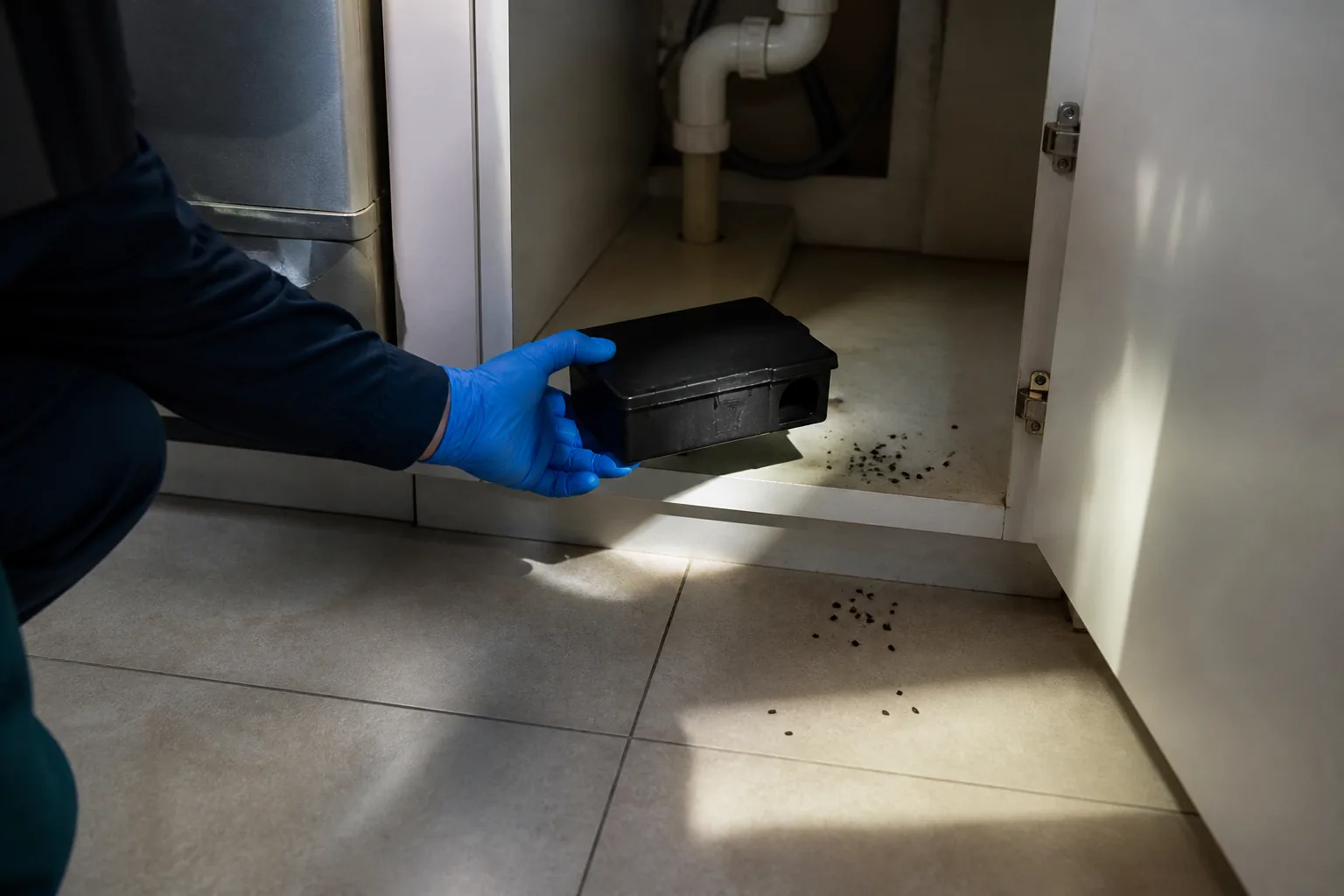
How Much Does Mouse Control Cost?
The company has not published a fixed price for mice, so this page gives none. Three things move the number: how many mice are active, how many entry points the technician must close and how large the property is.
A no startup fee promotion is advertised, and service plans cover 20+ pests with bi-monthly treatments. To get a figure for your property, use the Get a Free Quote button or call (559) 395-4118. A good quote spells out the treatment, the visits and the follow-up, so you can compare it with any other rodent control offer.
How Our Mice Treatment Process Works
A visit follows four steps, and the technician explains each step to you.
- A pest control technician checks every area of the property, including hard-to-reach areas, for droppings, nests and entry points.
- A customized plan targets the mice that the inspection found.
- Prevention closes the gaps and removes the food and clutter that draw mice in.
- Support brings free callbacks, and free re-treatment applies if pests return.
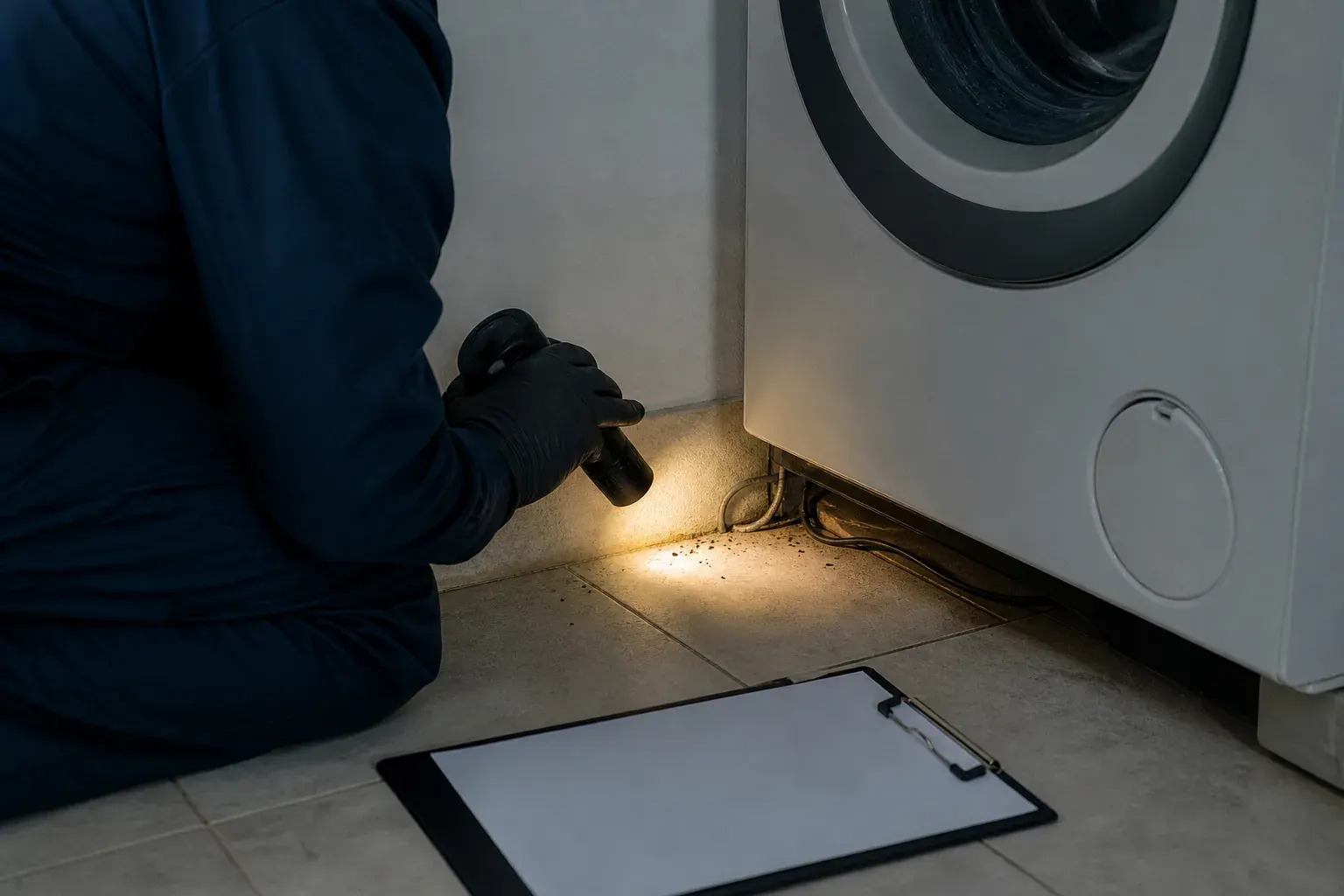
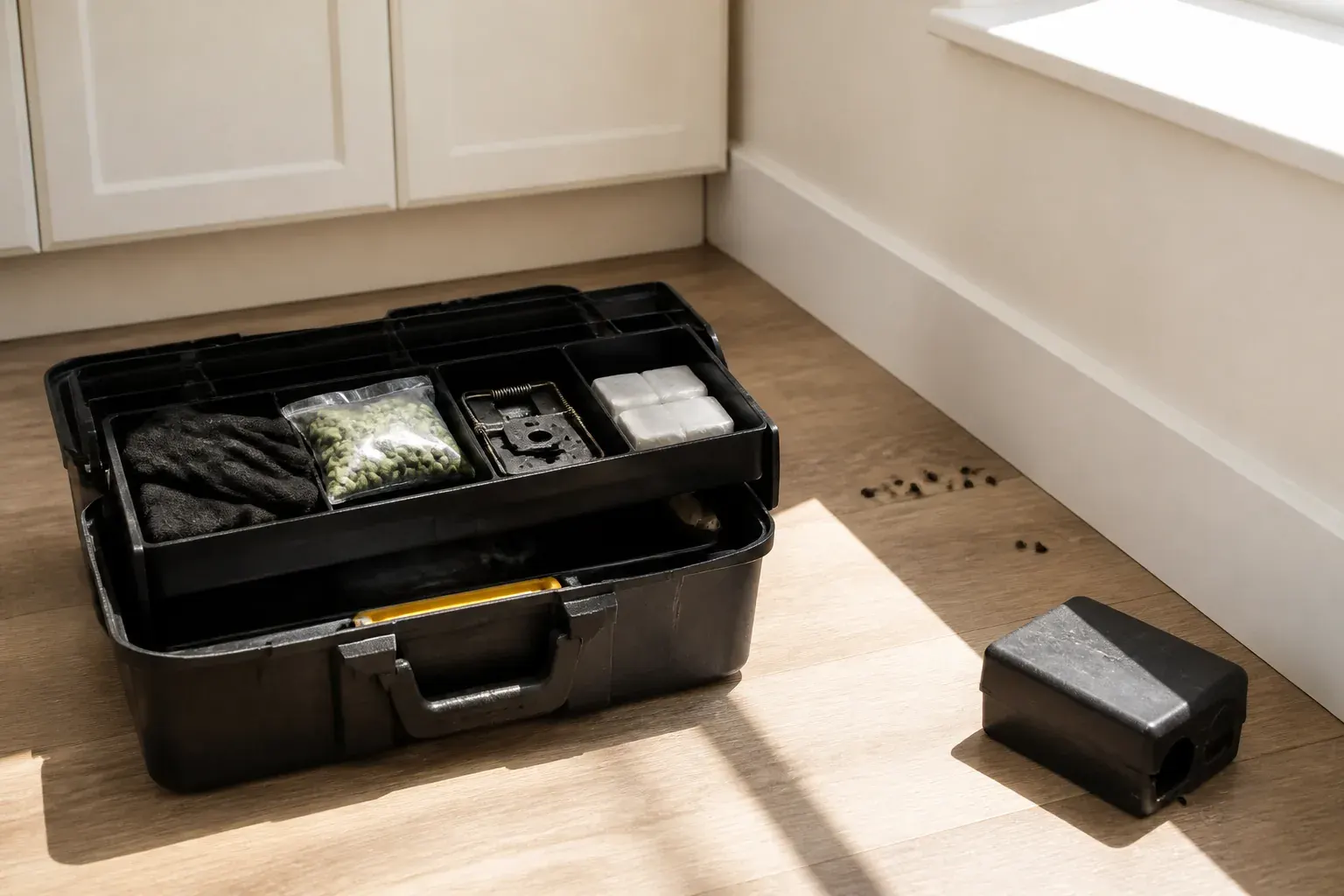
This pattern matches the company’s rodent work, which follows an inspection, a customized treatment plan and exclusion methods to prevent return. Each visit ends with a clear explanation of what the technician found and what happens next, so you know which rooms and entry points need attention.
Book Your Mice Treatment Today
A local team handles mice control, and you can call (559) 395-4118 before noon for same-day service. Entomo Pest Operations also offers Saturday service. Get a Free Quote
More detail
Mice Control: What the Service Actually Includes
The service covers every area of the property, indoors and out, and the technician writes a customized plan for pest control based on what the inspection finds. Residential and commercial customers can both book it.
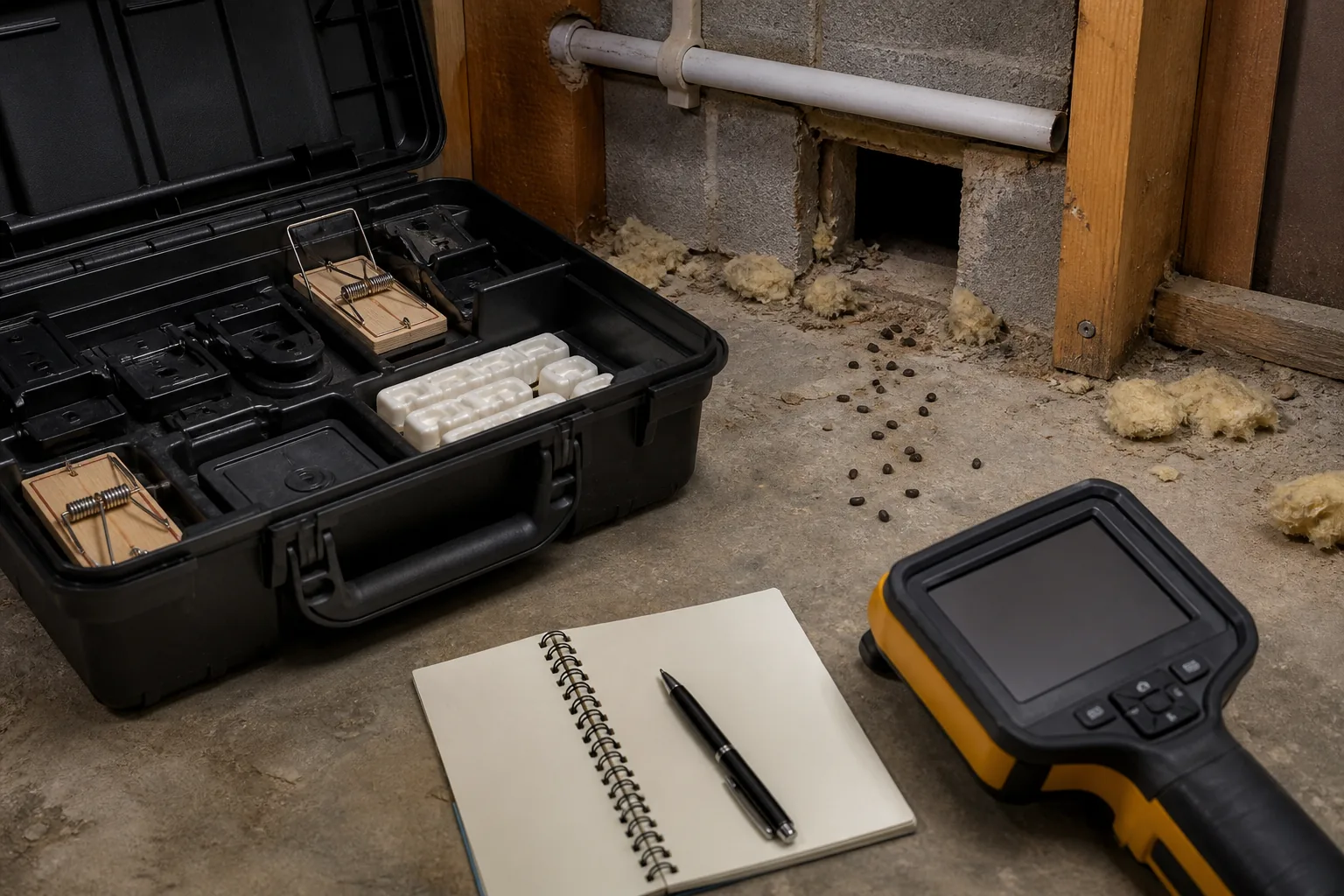
Property inspections use advanced technology to detect pests and entry points. For mice, the entry points matter as much as the animals, because a treatment that leaves a gap open invites the next visitor.
What Mice Treatment Actually Involves
Mice are small, quick and mostly active at night, so the signs matter more than the sightings. Droppings, gnawed packaging, greasy rub marks along walls and nests of shredded paper all point to an active problem, and a pest control inspection finds the cause.
The technician starts with identification, because the pest control plan depends on the animal. House mice and rats leave different signs, and the plan depends on which one is present. From there, the plan combines treatment with exclusion methods, which close the routes the animals use.
Gaps, Cracks and Wall Voids Where House Mice Travel
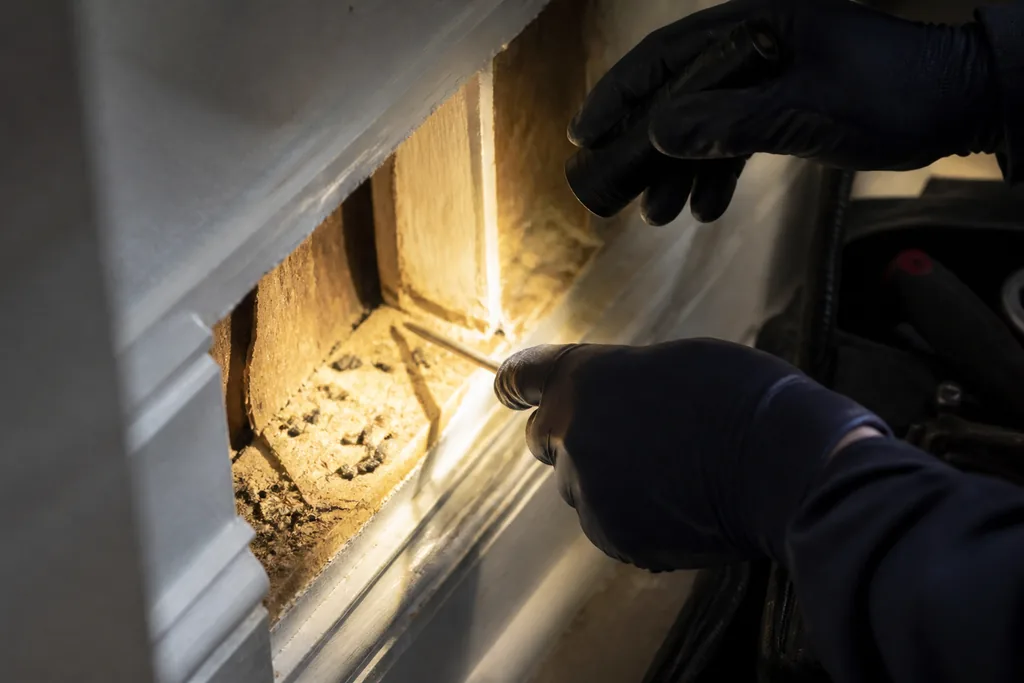
Wall voids, pipe openings and gaps behind appliances give mice quiet routes through a building. The inspection looks at these places because treatment works well only when the routes are known.
How Long Does Mice Removal Take?
The company has not published a timeline for mice, and the answer depends on the size of the problem. A small problem and a long-running one need different amounts of work, which is why the inspection comes first.
What you can count on is the follow-up. Free callbacks are included, and free re-treatment applies if pests return. Same-day service is available if you call by noon, so the first visit does not have to wait.
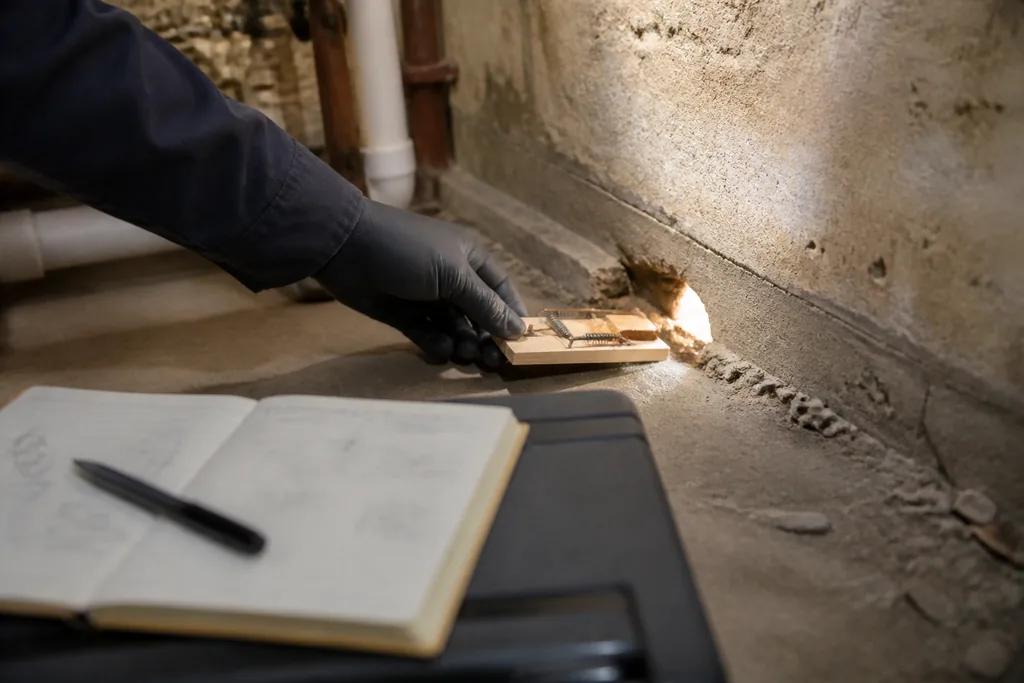
Why Mice Cause Damage Inside a House
Mice need food, water and a warm place to nest, and a house offers all three. They are nocturnal, so the first clue is often a sound in the wall after dark. Their teeth never stop growing, which is why mice chew constantly, including chewing through wood, plastic, cardboard and insulation.
Chewed Wires and Electrical Wiring
Mice also chew on wire. Chewed electrical wiring is a safety hazard, and a technician who sees chewed wire during an inspection will point it out so you can have it checked.
Droppings, Urine and Diseases Carried by Mice
Droppings and urine are the other concern. Mice contaminate food and surfaces, and some wild rodents, including the deer mouse, can carry viruses such as hantavirus. Mice can spread other diseases too, so treat every mouse problem with care and ask the technician how to clean up safely.
Mice multiply the problem when nobody acts, because more mice mean more droppings, more chewing and more nests to find. Early mouse control is simpler than late mouse control, and a small control plan usually needs fewer visits than a large one.
Where Mice Get In and Where They Nest
Mice find cracks, openings and gaps that a person would overlook. Common entry points sit around pipes, vents, garage doors and the foundation. From there they travel through wall voids, ceilings and attics, and they nest in basements, garages, storage rooms and the spaces behind appliances.
Nests in Attics, Basements and Wall Voids
The nest is usually a pile of shredded paper, fabric or insulation placed near stored food. A female mouse can raise a litter in a hidden nest, and the breeding cycle repeats quickly, which is why early action matters for mice treatment.
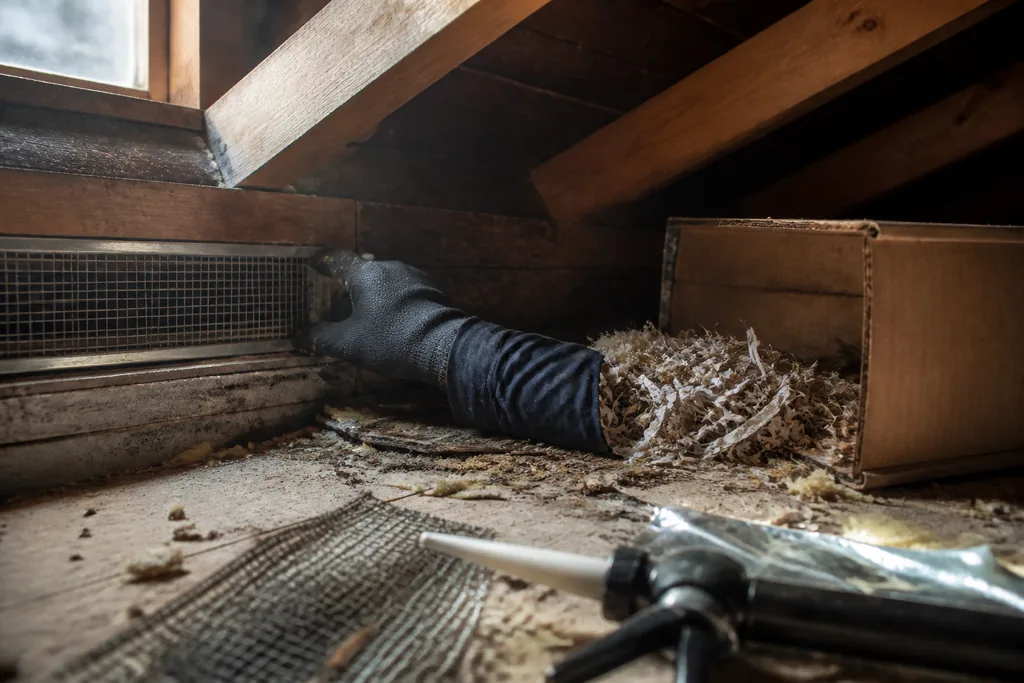
Sealing Entry Points and Gaps Against Mice With Mesh
Exclusion closes the routes. Common sealing materials include metal mesh and steel wool, and the technician explains which material suits each gap. Sealing the exterior and the interior together helps keep mice from returning.
What to Do Before Your Mice Treatment Visit
A few simple steps make the visit more useful. Write down where you have heard scratching, seen droppings or found gnawed packaging, and clear access to the pantry, the cabinets under the sink and the garage.
Food Storage, Leaks and Clutter in the Kitchen and Pantry
Store dry food in sealed containers, sweep crumbs and fix any leak, since water draws mice as much as food does. Mention children and pets when you book, since house mice often nest near food storage. The company says it uses safe treatments, and the technician can describe the products planned for your property.
These habits do not replace an inspection, yet they support the control plan once the technician has finished. Free callbacks are included if you notice new activity.
How Pest Management Covers Mice and Rats
Pest management for rodents starts with identification. House mice are small, while rats are larger and nest in different places, so the plan changes with the animal. Entomo Pest Operations offers both mouse treatment and rodent control, and the technician tells you which one fits.
The tools of the service are inspection, a customized treatment plan, exclusion and follow-up. Technicians check each room that offers food or warmth, including the kitchen, the utility room and the area behind the refrigerator.
Mice need different control steps than rats, so the control plan names the animal first. The technician then matches the control of entry points, food and nesting spots to that animal, and mice that lose shelter have fewer reasons to return.
Signs You Have Mice and When to Call
Signs of Mice: Droppings, Gnaw Marks and Scratching Sounds
Mice leave clues long before anyone sees one. Watch for these signs in the attic, the garage and the kitchen:
- Scratching sounds in the walls or ceiling at night
- Droppings along baseboards, in drawers and behind appliances
- Gnawed packaging, chewed wires or damaged insulation
- Shredded paper or fabric nesting in a quiet corner
- Greasy rub marks along walls and a stale smell in closed spaces
Call when you notice the first sign. Cooler temperatures and changing conditions send mice indoors, and a structure with open gaps invites them. The sooner the technician can seal the entry points, the easier it is to prevent mice from settling in.
Same-day service is available if you call by noon, and Saturday service is offered, so a weekend discovery does not have to wait for Monday.
When you spot mice or the signs of mice, control starts with a phone call. Mice that go unchecked spread through the walls, so the technician aims to reach the mice before they reach the attic. Each visit ends with notes on where mice got in, which makes control at home easier to maintain.
What a Mouse Control Plan Covers
A mouse control plan covers the inspection, the treatment, the exclusion work and the follow-up. Control does not stop at the first visit, because mice return when a gap stays open or food stays out. The plan names each task so you can see what the company will do and what you can do at home.
Service plans cover 20+ pests with bi-monthly treatments, and free callbacks are included. Many customers ask whether a plan makes sense after a single mouse sighting. The technician can answer that after the inspection, and the quote shows the cost of each option.
Property owners with a store, a restaurant or an office can ask for the same inspection. The company serves commercial customers, and the control plan covers storage rooms, kitchens and loading areas as well as living spaces.
Control works only when mice lose their reasons to stay. The technician treats the mice that are present, closes the routes they used and flags the food and water that drew them in. Rodent control and pest control share that approach, and each callback lets the technician adjust the control plan if mice return.
How Mice Treatment Connects to Our Other Services
Mice often share a building with other pests. The company’s plans cover 20+ pests, including cockroaches, spiders, fleas and ticks, and it also offers tick control, mosquito control and wildlife control. Termite control follows the same inspection and exclusion pattern as rodent work.
If you are trying to control termite damage and hear scratching in the same wall, mention both. Say so as well if you suspect bed bugs. One inspection can cover several concerns, and the technician can explain which service fits.
Mice FAQ
What do house mice look like?
House mice are small, with a pointed nose and a long tail. Rats are larger and heavier. If you are not sure which one you have, the technician identifies the animal during the inspection.
What are the signs of mice in a house?
Droppings, gnaw marks, nests, greasy rub marks and scratching noises are the usual signs. Tell the team where you noticed them.
How quickly can you get rid of mice?
The company has not published a timeline. Same-day service is available if you call by noon, and free re-treatment applies if pests return.
Are your mice treatments safe for kids and pets?
The company says it uses safe treatments. Mention children, pets and food areas when you book, and the technician can explain the products planned for your property.
Do you treat mice in apartments and businesses?
Yes. The company offers pest control for homes and businesses across California, and property inspections serve residential and commercial customers.
Do you offer ongoing control after the first visit?
Yes. Service plans cover 20+ pests with bi-monthly treatments, and free callbacks are included. Ask whether a plan fits your property.
Where do you offer mice treatment?
The company lists service in Atwater, Bakersfield, Fresno, Madera, Merced, Modesto, Oakdale, San Luis Obispo, Santa Clara, Stockton and Turlock.