
 145+ 5 Star Reviews
Tick Control: Straight Answers on Treatment, Inspection, Pests, Pets and Yards Before You Book
Tick control from Entomo Pest Operations starts with a short answer. A friendly technician inspects your property, finds the grass, brush and shaded spots where ticks live, treats the problem and sets up prevention. The family-owned company serves homes and businesses across California from branches in Madera, Bakersfield, Modesto and Santa Clara.
Free re-treatment applies at no extra cost if pests return, free callbacks come with the plans and same-day service is available when customers call by noon. The sections below cover cost, timing and what to expect from a pest control visit.
Get a Free Quote Call (559) 395-4118
- Free re-treatment at no extra cost if pests return
- Free service callbacks included
- Same-day service if you call by noon
- Saturday service offered
5.0Google rating
64Google reviews
20+years in pest control
20+pests covered
What Makes Local Tick Treatment Different
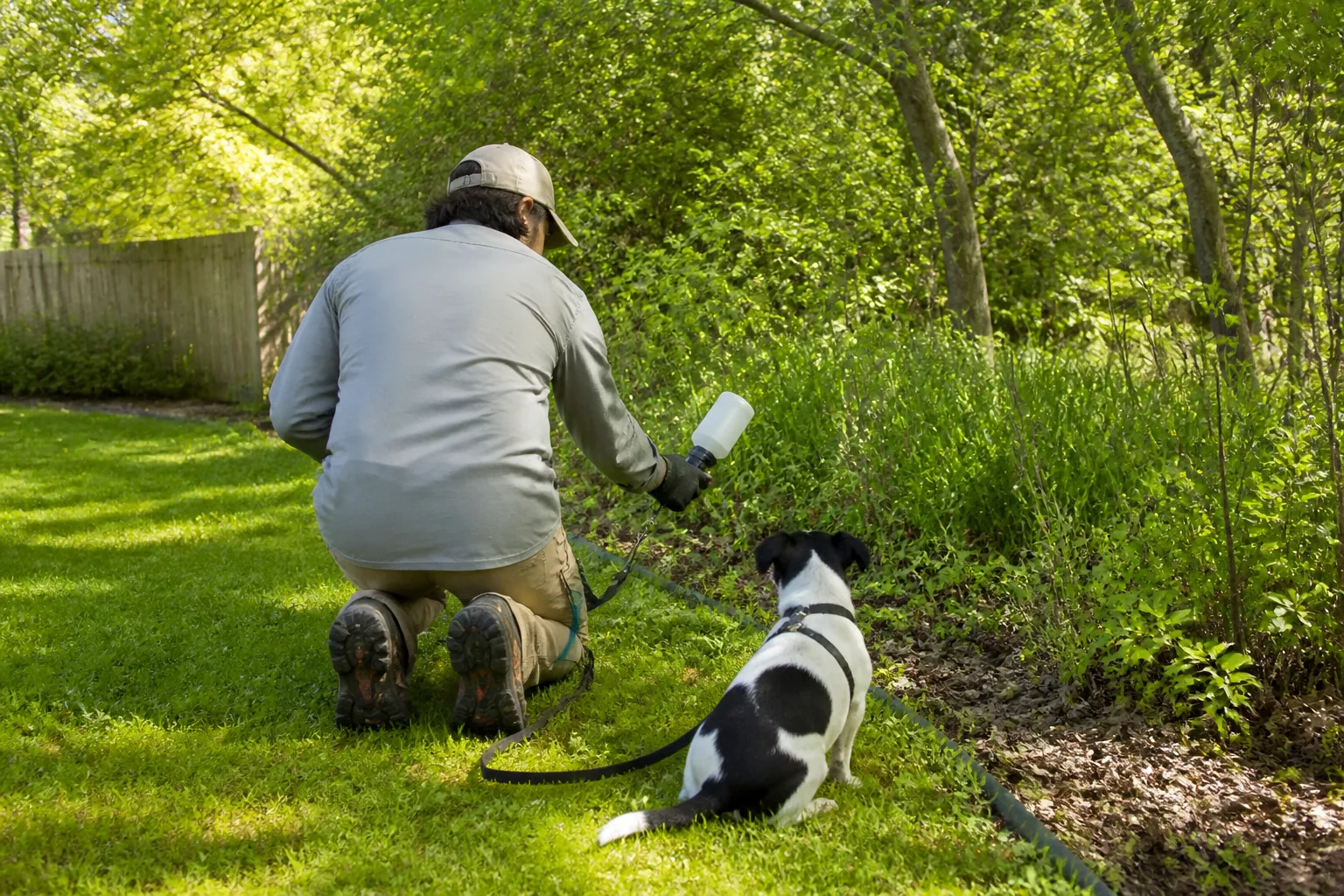
A local team answers the phone, knows the area and sends a pest control technician from the nearest branch. Entomo Pest Operations describes itself as a family-owned business with over 20 years of experience, and the owners are actively involved in every aspect of the company.
The company advertises 145+ 5 Star Reviews and says it uses safe treatments and friendly technicians for fast results, and its plans include free service callbacks.
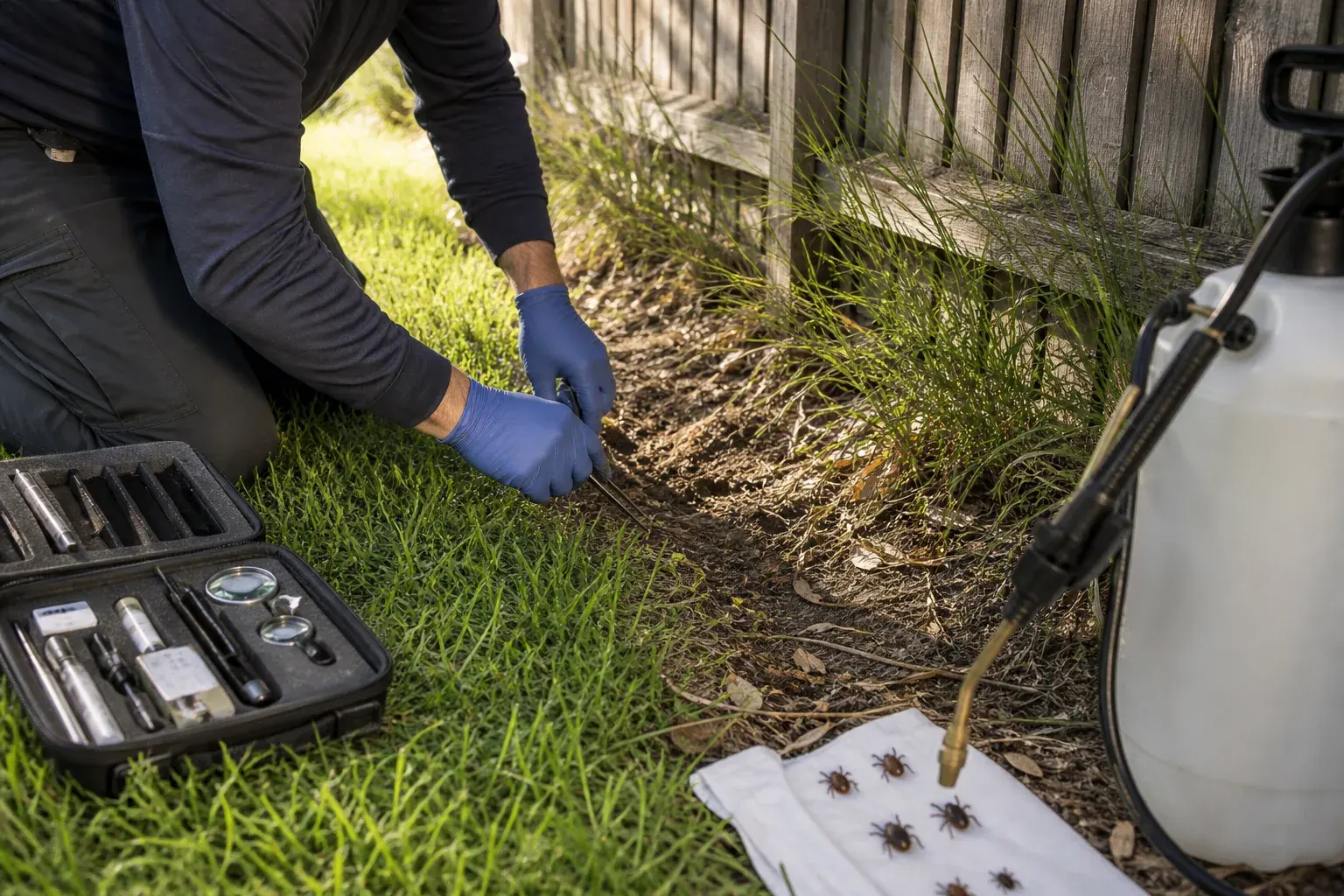
- Same-day service is available if you call by noon, and Saturday service is offered.
- Service plans cover 20+ pests with bi-monthly treatments.
- Branches in Madera, Bakersfield, Modesto and Santa Clara keep hours Monday to Friday, 8 to 5.
Residential and commercial customers get the same inspection, treatment, prevention and support. Owners of a rental property or a business with a grassy lot can ask for the same tick prevention advice a family home gets. A team member at the nearest branch answers questions about your property and the next inspection.
How Much Does Tick Treatment Cost?
This page lists no fixed number, because the inspection and the treatment plan set the price. The price of tick treatment changes with the size of the yard, the amount of tall grass, brush and shade, the level of tick activity and the number of visits.
A quote shows the total for your property and what a service plan with bi-monthly treatments costs. The pest control page advertises a no startup fee promotion, and callers can ask about it at (559) 395-4118, and the company prices each inspection by free quote request.
A fair quote starts with the facts of your property. The team wants to know where ticks showed up, whether dogs or cats use the yard and whether wooded areas or overgrown vegetation touch the lot. Pest control technicians serve both residential and commercial customers.
How Our Tick Treatment Process Works
The team uses the same four steps for every pest, including tick treatment.
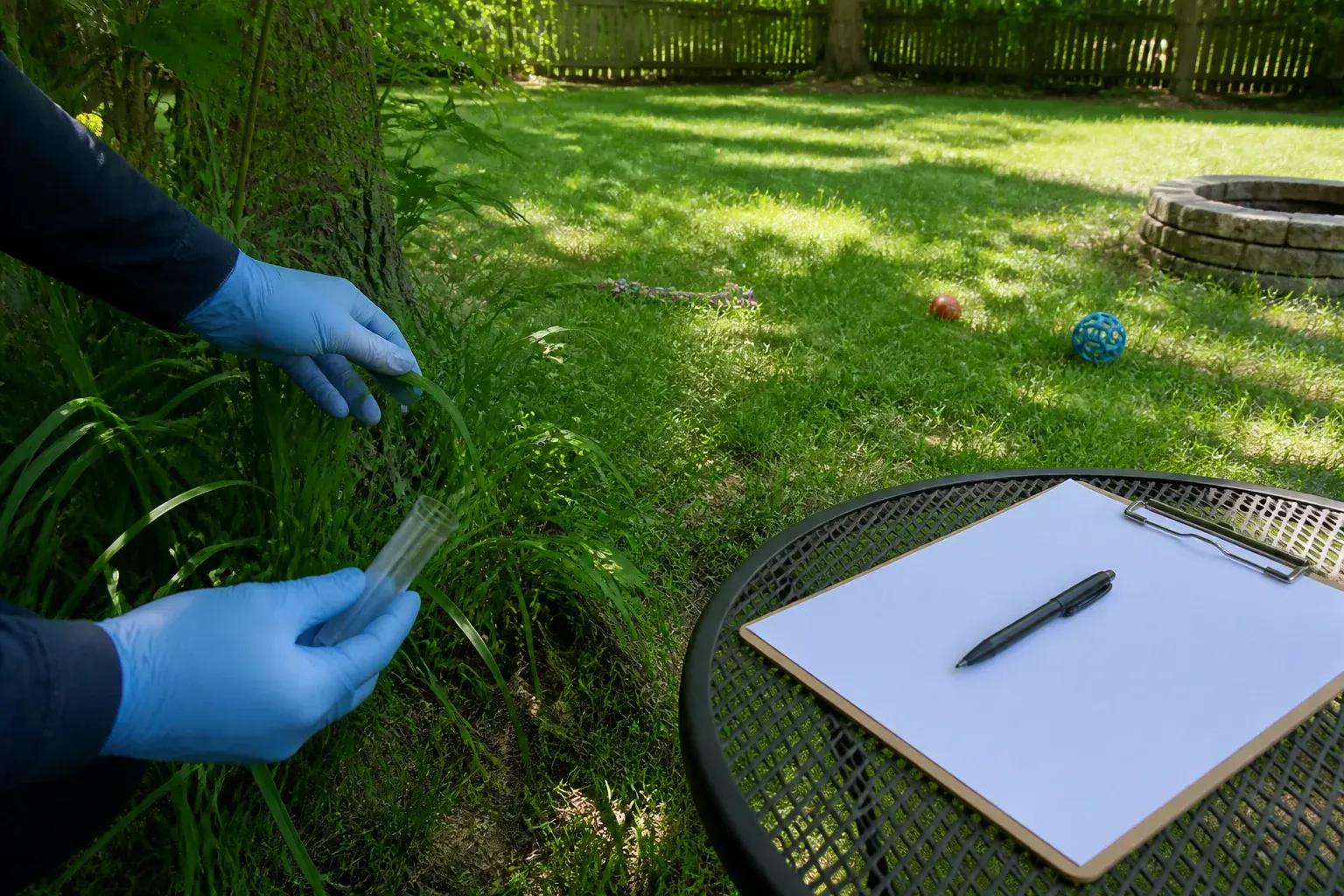
- Inspection: the technician checks the whole property, including hard-to-reach areas, and notes where ticks are likely to hide.
- Treatment: a customized plan follows from what the pest control technician found.
- Prevention: customers hear which yard changes, such as trimmed grass, make the property less welcoming to ticks.
- Support: free callbacks are included, and free re-treatment applies if pests return.
The inspection uses advanced technology to detect pests and entry points and leads to a customized treatment plan, and the steps are the same for a home or a business.
Book Your Tick Treatment Today
Want ticks handled before the next season? Call (559) 395-4118 before noon for same-day tick control, or reach the team online. Get a Free Quote
More detail
Tick Control: What the Service Actually Includes
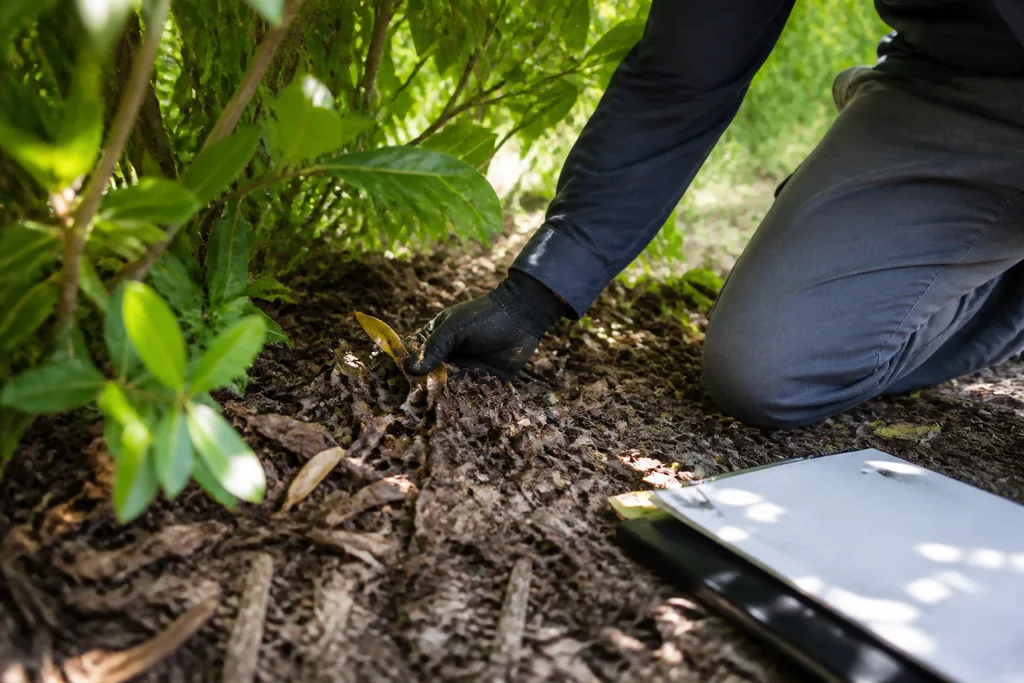
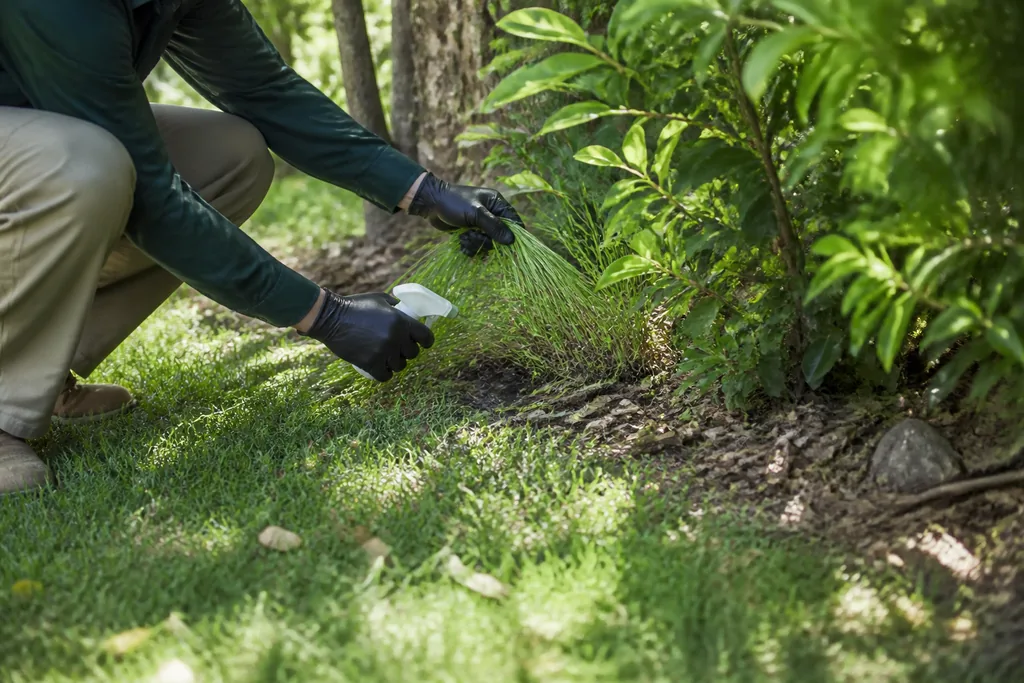
Inspection comes first. The pest control technician walks every area of the property, including hard-to-reach areas, and looks for the shaded, overgrown and leafy spots where ticks wait for a host. A customized treatment plan follows.
Treatment targets the areas the inspection found, and prevention then covers the habits that keep ticks away, such as trimmed grass, cleared leaf litter and trimmed shrubs near walkways and play areas. A complete plan also helps control ticks over time, not only on the day of the visit.
Support is the last step, with free callbacks included and free re-treatment at no extra cost if pests return. Together the four steps make professional tick treatment a program, not a one-time round of sprays.
Ticks matter because some of them transmit tick-borne diseases to people and pets, and those health risks include Lyme disease, Rocky Mountain spotted fever, anaplasmosis and babesiosis. This page is general information, not medical advice, and doctors and vets are the experts on any bite or symptom.
A tick bite often goes unnoticed, so a tick check after time outdoors matters, while each tick species prefers different hosts and tick activity changes with the season.
A thorough plan combines inspection, targeted treatment and prevention measures designed to protect the places where your family spends time. It begins with the pest control technician looking for the hidden spots where ticks may be breeding, hiding or feeding in multiple zones of the property. The same visit gives the technician a chance to note where other pests, such as ants and flies, can enter the house, so the plan can reflect what the property needs.
What Tick Treatment Actually Involves
Ticks are arachnids, not insects, and they feed on blood. Dog ticks, such as the American dog tick and the brown dog tick, climb onto dogs, people and other hosts as they pass through grass and brush.
How Ticks Live and Feed
Every tick moves through a life cycle of egg, larva, nymph and adult. A yard with plenty of leaf litter, weeds and shade can support a tick population at each stage, which is why one sighting may point to more nearby.
A tick waits on grass or a leaf, then attaches to a host that brushes past. Pest management that starts in the yard cuts the number of tick problems that reach the home.
While a tick is small and often hidden in dense grass, humans and pets usually notice it only after it has attached and begun feeding. That is why a regular check during warmer months matters for kids, adults and animals that spend time in outdoor places where ticks are common.
Ticks prefer moist, shaded ground and tend to stay close to the soil. The exterior of a house, the edge of a lawn and the spaces under shrubs are the spots where a tick population can build up and then spread toward walkways, play areas and doors.
The pest control technician explains how habitat shapes the plan. Ticks thrive in tall grass, wooded areas and overgrown gardens, so treatment focuses where those conditions meet the parts of the property your family uses. Pests that share those habitats, such as fleas and mosquitoes, may come up in the same inspection.
Business owners face the same pests, because a rental property or a business lot that borders wooded areas can hold ticks too, and the inspection covers commercial properties the same way it covers homes. Pets need an early mention, since a vet advises on on-pet products and the technician can explain any steps to take around children and animals after a visit.
How Long Does Tick Treatment Take?
Many customers ask whether one visit ends a tick problem. The honest answer is that a tick population moves through life stages, so the pest control technician explains whether follow-up visits fit the plan. There is no single number. The time a visit takes and the number of visits depend on the size of the property, the tick problems you see and the time of year, and the pest control technician explains the schedule for your property.
How Timing Varies by Season
Tick season usually runs through spring and summer, so many owners book before it starts. The company offers same-day service if you call by noon, and Saturday service is offered.
Depending on the season, the number of ticks and the size of the yard, the pest control technician may recommend regular visits, and ongoing maintenance helps manage tick activity during warmer months and into the fall.
Service plans use bi-monthly treatments and cover 20+ pests, and if ticks come back, free re-treatment applies at no extra cost and free callbacks are included.
Do You Have Ticks? Signs to Check
Signs on Pets and People
A tick on a dog, a cat or a family member after time outdoors is the plainest sign. A check of skin, ears and hairlines finds most ticks, while light colored clothing makes a tick easier to see.
Signs in the Yard
Tall grass along fences, piles of leaves, overgrown shrubs and wooded edges are where ticks are most likely to live. Spending time in those spots, or seeing wildlife pass through them, raises the chance of picking up a tick bite.
A pest control technician can identify the pest if you are not sure what you found, and a tick bite or a tick on a pet is a good reason to ask.

Tick Prevention Habits for Pets and People
Habits cut down on tick problems between visits. Mowing the lawn weekly in season, raking leaves and trimming overgrown vegetation reduce the shade and cover that ticks need. These steps are general advice that sits alongside a treatment plan.
After time outdoors, a quick check of children, adults and pets finds a tick before it attaches, and dogs that roam wooded areas pick up the most ticks, so their coats deserve a close look.
The pest control technician gives recommendations based on your property. A vet or a healthcare provider covers repellents, skin care and pet products, so tips from the company and a vet or doctor work well together.
Pet owners can build a routine of checking the dog after every walk through tall grass, brushing the coat and washing bedding. Those habits support what a vet recommends and do not replace it.
Regular habits are essential, especially in warmer months. A few simple measures help avoid exposure: wearing long pants and socks outdoors, removing woodpiles and leaf litter, keeping playsets away from the edge of wooded areas and checking kids and pets as soon as everyone comes indoors. These are general tips, and a vet or a healthcare provider can give advice that fits your family.
Where We Provide Tick Treatment
The company has branch locations in Madera, Bakersfield, Modesto and Santa Clara. It lists service in Atwater, Fresno, Merced, Oakdale, San Luis Obispo, Stockton and Turlock as well. Customers can reach the main line at (559) 395-4118, and each branch is a local pest control office.
How Tick Treatment Connects to Our Other Services
The company handles more than ticks, and it also offers bird control, rodent control, mosquito control and termite control, and its service plans cover 20+ pests, including bed bugs and termites. A team that can control termite damage and handle wood repairs inspects the whole property as part of pest management.
Customers also look for solutions that cover the whole house. The company can manage several pests at once, including flies, ants, earwigs, beetles and cockroaches. The same inspection looks at the exterior and the interior for entry points and food sources.
Mice, rats, spiders and birds also use yards and homes. Customers can ask one pest control team about every pest instead of hiring separate exterminators for each one. The same four steps apply to every job, and the pest control services page lists the other pests the plans cover. A call to a branch is the way to learn more about the plans.
Tick FAQ
What should pet owners know about tick treatment?
Dogs and cats can carry ticks into the home, so owners can tell the pest control technician about their pets when booking. A vet advises on tick products made for animals, because treating the property and caring for a pet are separate steps.
Is tick treatment safe for my family?
The company says it uses safe treatments and friendly technicians for fast results. The technician can explain the products used and any steps to take around children and pets when you book.
How do I know if ticks are on my property?
Ticks found on pets or family members, or repeated bites after time in the yard, are the usual signs. A pest control inspection covers all areas of the property, including hard-to-reach areas, and shows where ticks may be hiding.
How often should tick treatments be applied?
Service plans use bi-monthly treatments and cover 20+ pests. Your technician explains the schedule that suits your property and the season.
Is tick treatment only for the yard?
The yard gets most of the attention because ticks live in grass, brush and leaf litter. People and pets can also carry ticks inside, so owners can tell the technician about ticks found in the home.
Need a tick exterminator for a business?
Yes. The company serves homes and businesses, and property inspections serve residential and commercial customers.
What if ticks return after treatment?
The company offers free re-treatment at no extra cost if pests return, and free service callbacks are included.
What attracts ticks to a yard?
Tall grass, weeds, leaf litter, shrubs and shady, wooded edges give ticks places to wait for a host. Trimmed grass and cleared leaves reduce those places.
When is tick season?
Ticks are most active in spring and summer in many areas. Booking early lets the technician inspect and plan before tick activity picks up.