
 145+ 5 Star Reviews
Fly Control: Straight Answers Before You Book
Entomo Pest Operations offers fly control for homes and businesses across California. The short answer: a friendly technician inspects your property, finds where the flies breed, treats them and sets up prevention. Free re-treatment applies at no extra cost if pests return, and a technician can reach you the same day when you call by noon. The family-owned company has over 20 years of experience and works from branches in Madera, Bakersfield, Modesto and Santa Clara.
Get a Free Quote Call (559) 395-4118
- Free re-treatment at no extra cost if pests return
- Family-owned, with over 20 years of experience
- Same-day service if you call by noon
- Saturday service offered
5.0Google rating
64Google reviews
20+years in pest control
20+pests covered
What Makes Local Fly Treatment Different
A local pest control team answers the phone, knows the area and sends a technician from the nearest branch. Entomo Pest Operations is a family-owned pest control company, and the owners are actively involved in every aspect of the company.
The company advertises 145+ 5 Star Reviews and says it uses safe treatments and friendly technicians for fast results. It offers free re-treatment at no extra cost if pests return, and free service callbacks are included.
- Same-day service is available if you call by noon, and Saturday service is offered.
- Service plans cover 20+ pests with bi-monthly treatments.
- Branches in Madera, Bakersfield, Modesto and Santa Clara keep hours Monday to Friday, 8 to 5.
Pest control technicians serve homes and businesses, so a person can answer your questions about fly infestation signs and treatment for either one.
Owners of a restaurant, a shop or a rental property can ask for the same inspection, treatment, prevention and support that a family home gets. Contact the nearest branch, and the team will explain the next step.
How Much Does Fly Treatment Cost?
The price of fly treatment depends on your property, so this page lists no fixed number. The type of fly, how far the infestation has spread, the size of your home or building and the number of visits each change the total.
To get a price, ask for a quote, which shows the total for your property and what a service plan with bi-monthly treatments costs. The pest control page advertises a no startup fee promotion, and you can ask about it when you call (559) 395-4118.
Pricing for property inspections also comes by free quote request.
A fair quote starts with the facts of your property. Tell the team where you see the flies, how often they appear and whether the problem is in a kitchen, a drain, an attic or an outdoor waste area, and the quote reflects the work that the inspection will likely involve. Pest control technicians serve both residential and commercial customers.
How Our Fly Treatment Process Works
Every job follows the same four steps.
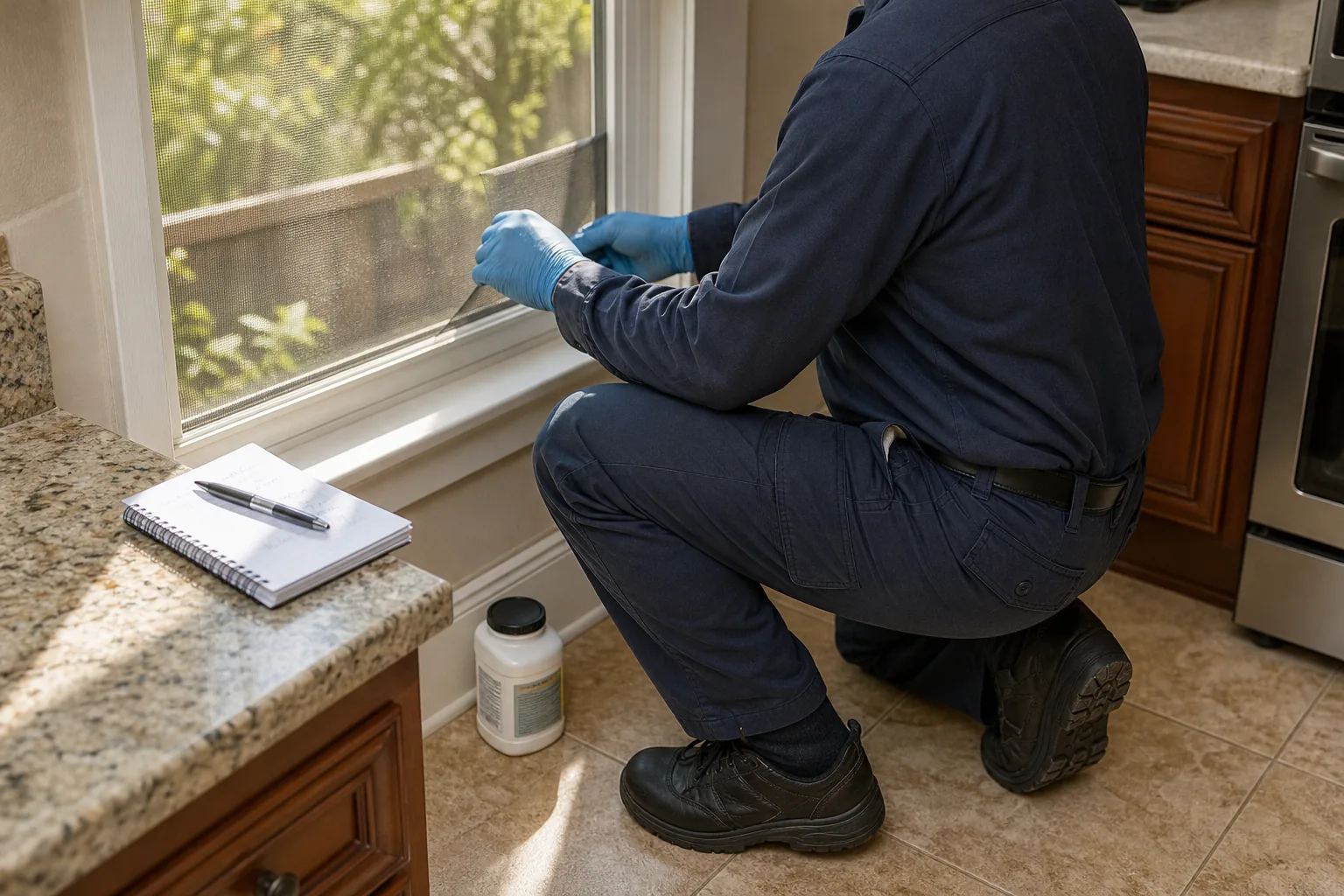
- Inspection: a pest control technician checks every area of your property for flies and breeding sites, including hard-to-reach areas.
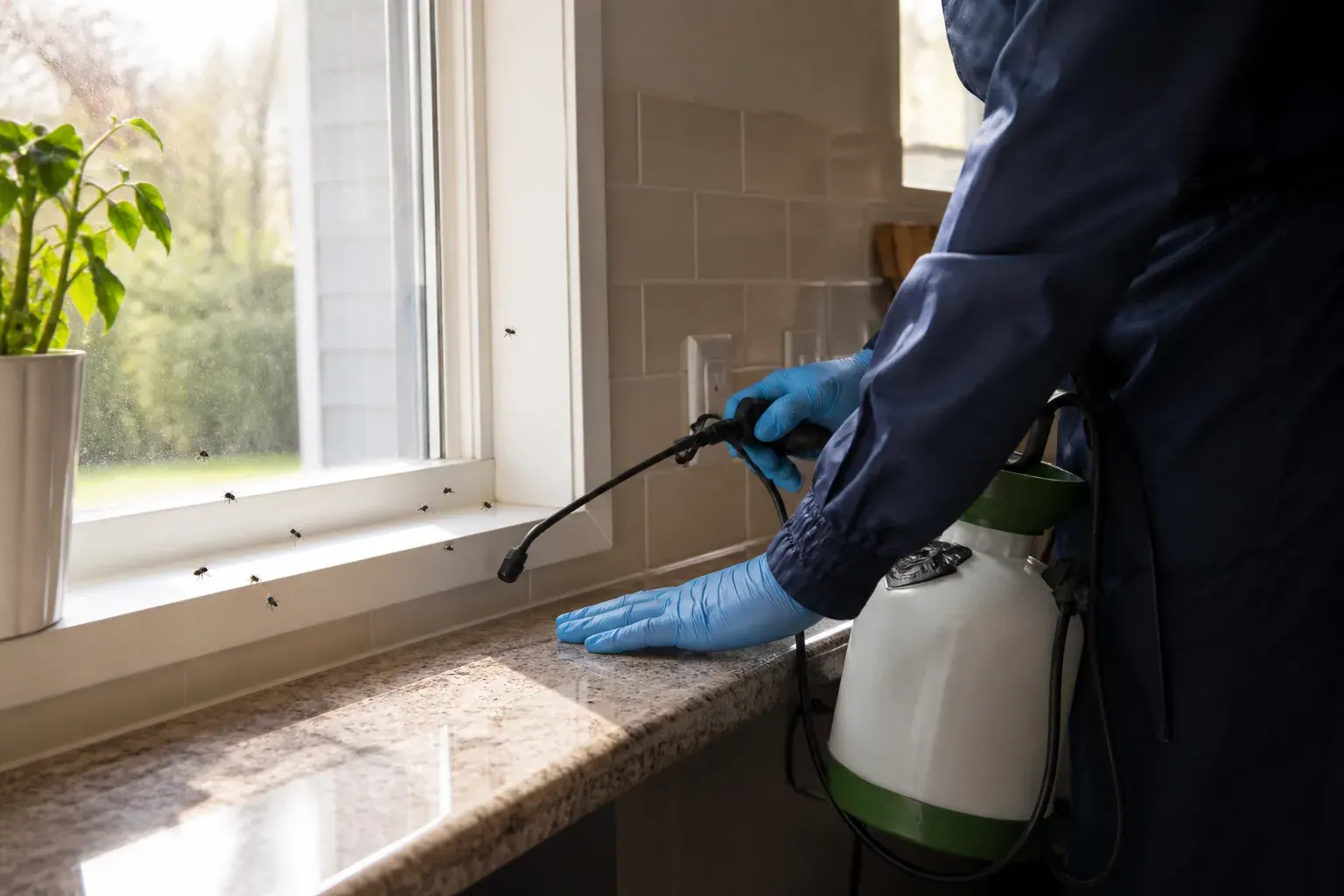
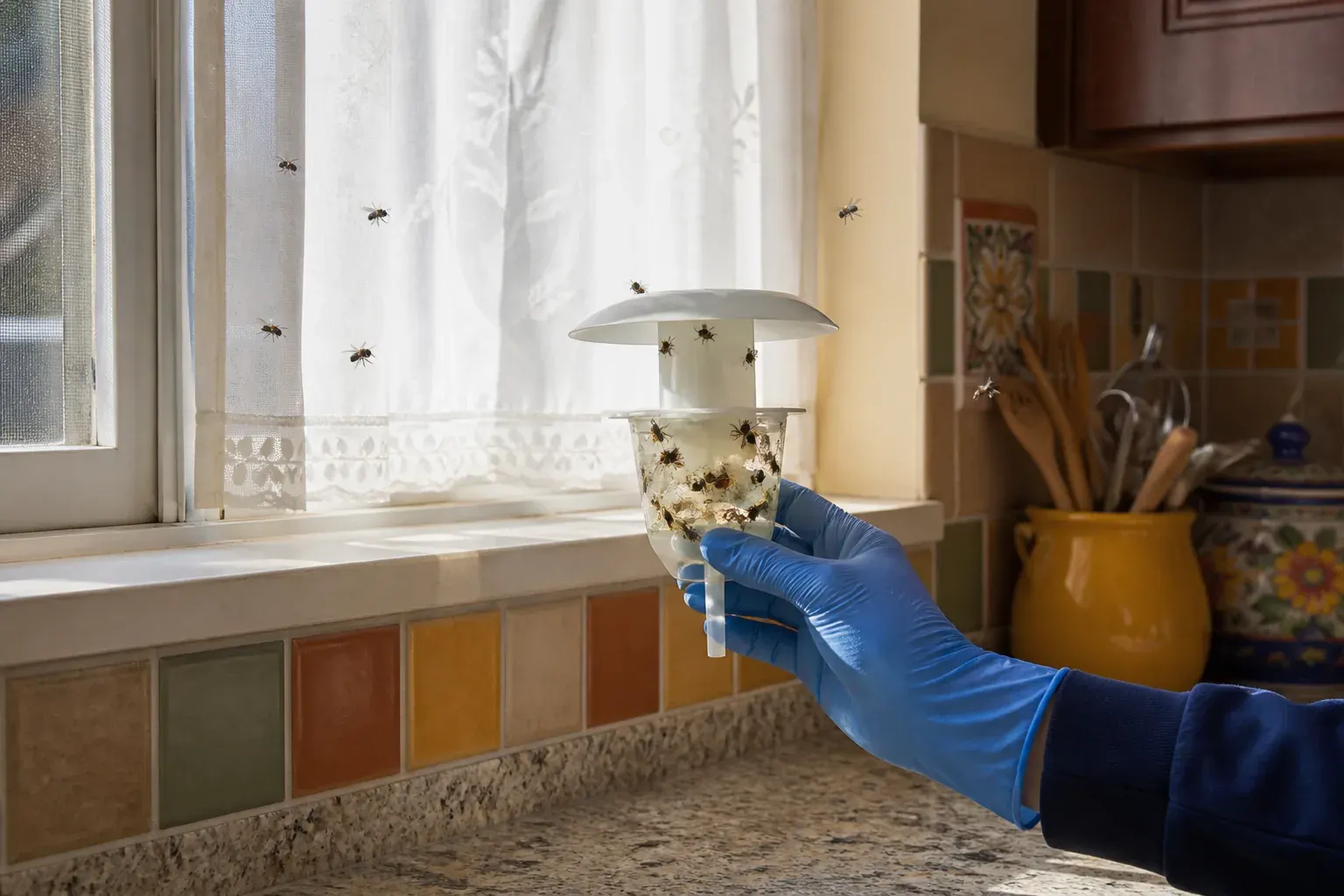
- Treatment: a customized plan targets the flies the inspection found.
- Prevention: the technician explains the food, moisture, drain and garbage conditions to change.
- Support: free callbacks are included, and free re-treatment applies if pests return.
Inspections use advanced technology to detect pests and entry points, and they lead to a customized treatment plan. The four steps are the same whether the property is a home or a business.
Book Your Fly Treatment Today
Ready for pest control that stops the flies in your home? Call (559) 395-4118 before noon for same-day fly control, or contact the team online. Get a Free Quote
More detail
Fly Control: What the Service Actually Includes
The service starts with an inspection of every area of your property, including hard-to-reach areas. The pest control technician looks for the flies, the places they breed and the conditions that draw them in, then writes a customized pest control plan.
Support continues after the visit, because free callbacks are included, and fly pest control works well when it goes after the source and not only the flies you see, so the technician uses the inspection to identify the fly species before the treatment starts.
Professional fly treatment matters for health as well as comfort, because house flies can carry bacteria from garbage and waste onto food and kitchen surfaces. Environmental conditions such as warm weather, damp drains and uncovered garbage let flies breed quickly, so removal of the source is part of every plan.
What Fly Treatment Actually Involves
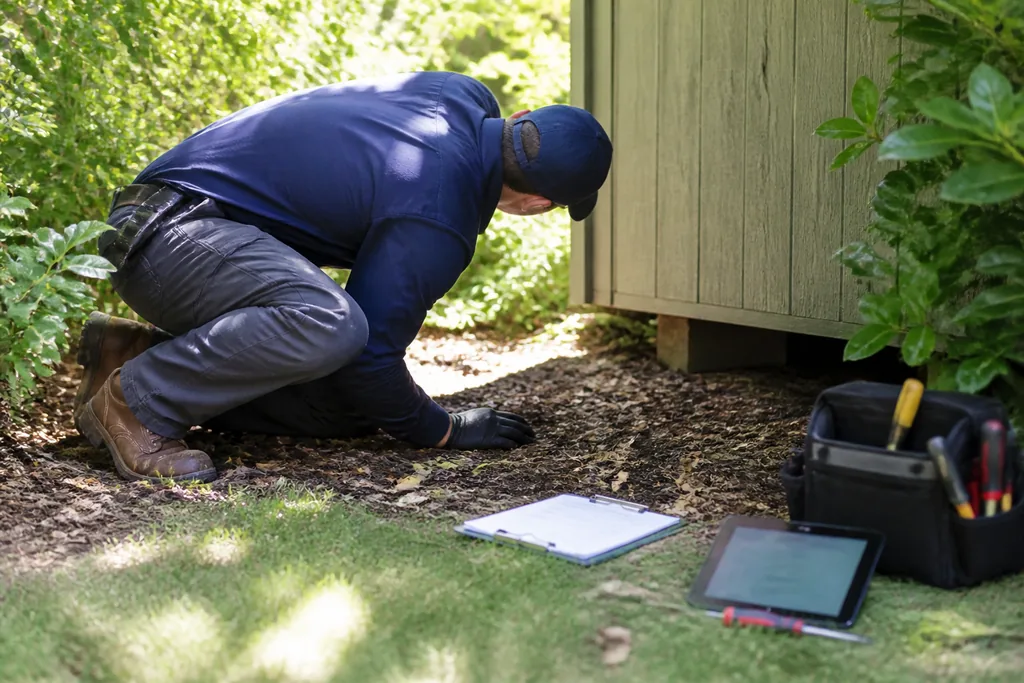
House flies gather around garbage and pet waste, so the pest control technician checks your bins, outdoor waste areas and the gaps flies use to get in. House flies can carry bacteria onto food, which is why sanitation matters.
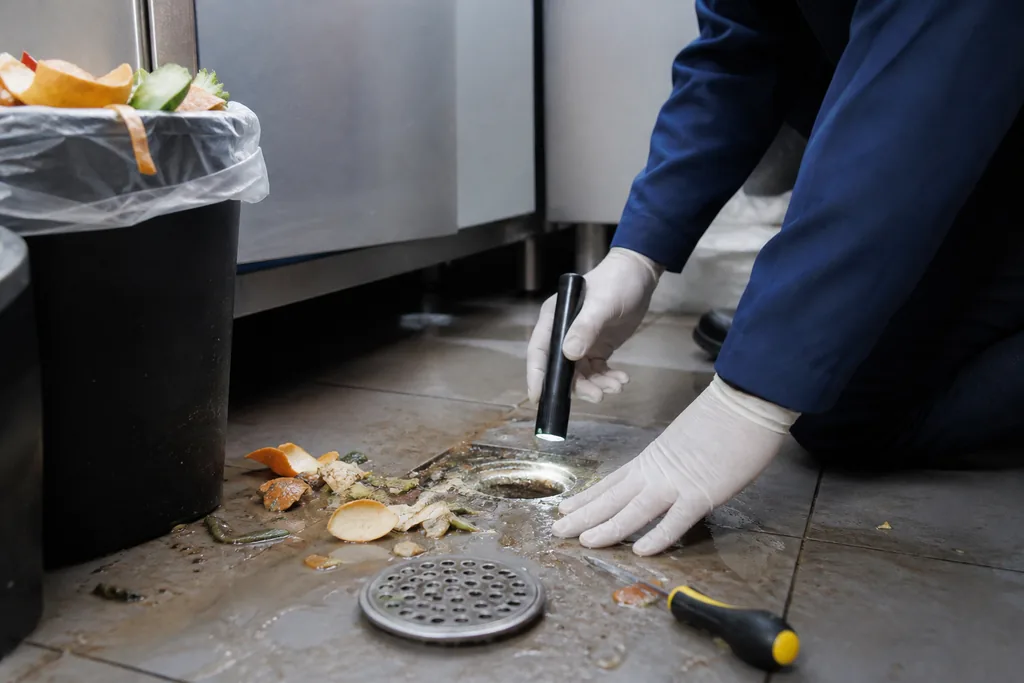
Fruit flies and drain flies breed in ripe produce and in the organic buildup inside drains, so the technician checks your kitchen, sinks and floor drains. Cluster flies gather in attics and wall spaces, and gnats favor moist soil and standing water.
Common attractants include uncovered garbage, pet waste, ripe fruit and food residue in drains. The pest control technician explains how garbage removal and regular drain cleaning take those attractants away. Sealing gaps around doors, windows and screens keeps more flies out, and the problems that remain get handled at the next callback.
Many people prevent a repeat fly problem by changing one habit at a time, since covering garbage, wiping counters and storing ripe fruit in sealed containers all remove a place to breed.
Signs You Have a Fly Problem at Your Property
A few flies near an open door are normal, but repeated sightings in the same spot, especially near garbage, drains or fruit, point to a breeding source that a pest control technician should inspect.
Small Flies Around Drains and Fruit
Small flies hovering over a sink, a floor drain or a fruit bowl usually mean drain flies or fruit flies, and they breed in the organic buildup inside drains and in ripe produce, so the technician checks those places first.
Flies Gathering at Windows and in Attics
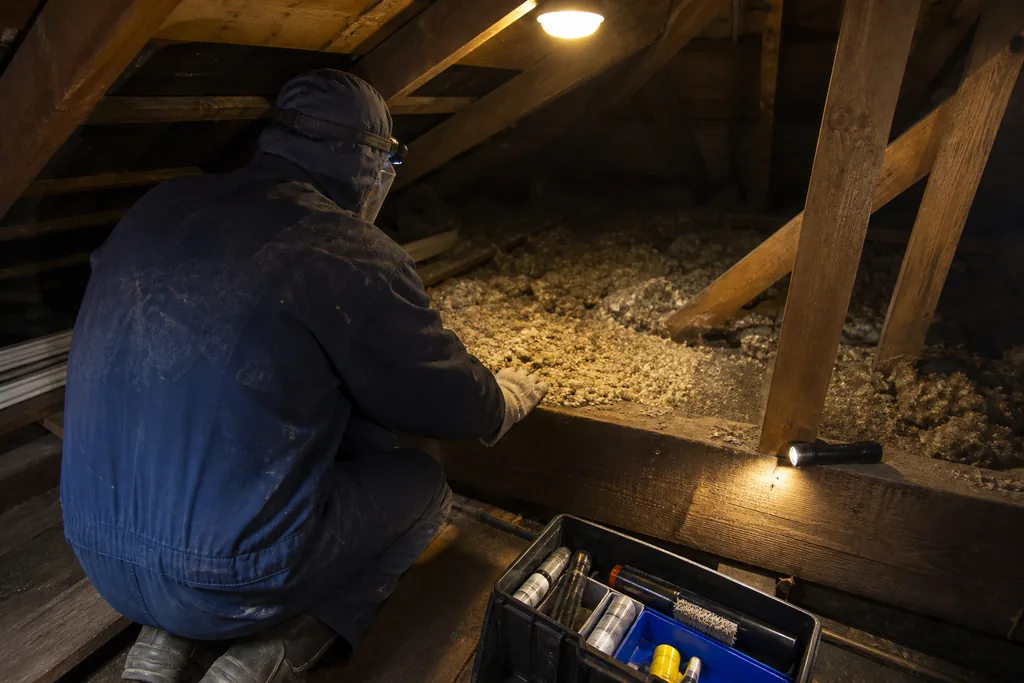
Larger flies that gather at windows or in attics are often cluster flies. They settle in attics and wall spaces, which are hard-to-reach areas that the inspection covers.
How Fly Treatment Fits With Our Other Services
One visit can cover more than flies, because the company also offers bird control, rodent control, tick control and termite control, and its service plans cover 20+ pests, including bed bugs and termites. A team that can control termite damage and handle wood repairs also checks insulation and attics, where cluster flies and other pests settle. The company also treats mosquitoes, spiders, fleas, wasps and wildlife, along with cockroach control and ant control.
Instead of calling separate exterminators for each pest, you can ask one team about all of them. Every job follows the same four steps, whichever pest you have, and the pest control services page lists the rest of the pests the plans cover.
Fly FAQ
How long does fly treatment take?
Timing depends on the type of fly, the spread of the infestation and the plan. The technician explains the visits your property needs, and same-day service is available if you call by noon.
What will keep flies away?
Cover garbage, clean drains, wipe up food and pet waste and remove standing water to leave a fly fewer places to breed. A pest control technician points out the conditions that attract flies at your property.
Not sure what type of fly you are dealing with?
A pest control technician identifies the type during the inspection. House flies, fruit flies, drain flies and cluster flies each breed in different places.
Need a fly exterminator for a business?
Yes, the company serves homes and businesses, and property inspections serve residential and commercial customers.
Does seeing one fly mean I have an infestation?
Not always, because a single fly can come in through an open door, but repeated sightings near garbage, drains or fruit point to a breeding source.
What if flies come back after treatment?
The company offers free re-treatment at no extra cost if pests return, and free service callbacks are included.
Why is professional fly treatment important?
Flies breed fast, and house flies can carry bacteria onto food. A pest control technician finds the breeding source and treats it, then sets up prevention so the problem does not return.
Where do flies lay eggs?
Flies lay eggs in garbage, pet waste, ripe produce and the organic buildup in drains. Cleaning those places and removing standing water takes away the spots where new flies start.
How do exterminators get rid of flies?
A pest control technician inspects the property, finds the breeding source and builds a customized treatment plan. Prevention and support follow, and free re-treatment applies if pests return.